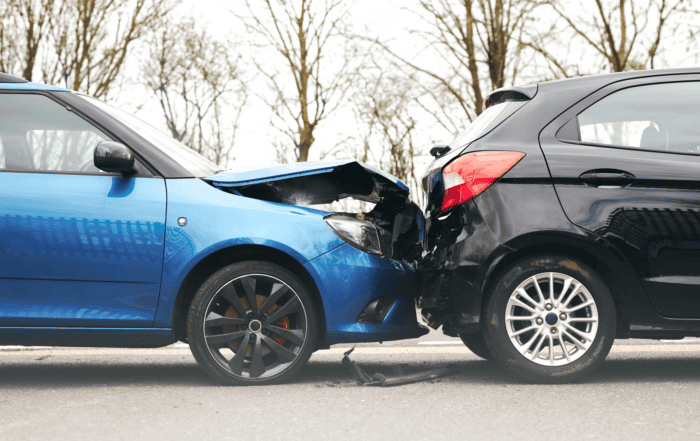
4 True Facts About Ontario Insurance Claims After a Car Accident

1. An Ottawa auto accident claim is not a get rich quick scheme. Awards of money for pain and suffering are very modest in Ontario. The most severe injuries (think quadriplegia or the worst brain injury) will receive less than $350,000 for pain and suffering. Sometimes injured victims receive very large, even multi-million dollar awards. However, when that is the case, it is because they cannot work (loss of income) or have extra-ordinary future care costs.

2. Some bad drivers need to be held accountable. While many people who cause an Ontario accident are normally careful drivers who were temporarily negligent, there are some drivers who cause multiple accidents; have many driving infractions etc. A law suit is one way to send the message that unsafe driving is not okay.

3. Most Ontario car accident law suits are totally legitimate and deserving. The insurance industry likes to talk about fraud. While there are fraudsters out there, as in any industry, the number of fake claims is significantly overstated.

4. Ontario Car Accident Victims Suffer. Whether it is chronic pain, broken bones, psychological illness or brain injury, car accident victims’ lives are often fundamentally and permanently changed. Monetary compensation is no substitute for their old lives, but, it is hoped that it will provide some solace.

If you have questions about bringing a lawsuit following an Ontario car accident, contact the lawyers at Auger Hollingsworth Professional Corp. at 613 233-4529. We are here to help.

What Should I Wear to Examination for Discovery in an Accident Case?

If you are ever in an Ottawa accident, you may have to take part in an examination for discovery as part of your legal proceedings. Understanding what this process entails and knowing how to present yourself can help you achieve success in your lawsuit.


What is an Examination for Discovery?

Examination for discovery is an important component of most civil lawsuits. Essentially, it is a process where both parties involved in the lawsuit are questioned about the issues surrounding the lawsuit. While each party is questioned by the other party’s lawyer, and the answers are given under oath, examination for discovery is not in itself a trial.


What is the Purpose of Examination for Discovery?

The basic purpose of an examination for discovery is to allow each party and their lawyers to learn about and understand the other side’s case.


Throughout their questioning, the lawyers for each party will typically be trying to accomplish a few basic things, including the following:

-   Understand the other party’s point of view, and more fully define and narrow the issues involved in the lawsuit.

-   Discover if there are any areas where both parties are in agreement, possibly allowing a pre-trial settlement to be reached.

-   Obtain an admission from the other party that later can be used in their client’s favour while at trial.


What Should You Wear to an Examination for Discovery?

Many clients wonder what they should wear to attend this part of their legal process. Though it is not an official trial, it is still very important to make sure that you are appropriately dressed. A good rule of thumb is to make sure you look well-groomed and presentable. Essentially, you want to wear neat, clean, conservative clothes. You do not necessarily have to wear a suit, but you should look as neat as possible, and avoid any offensive slogans on your clothing. This is a very important part of your legal process, and it is crucial that you are as prepared and presentable as possible.


If you or someone you know has been in an Ottawa accident, a good injury lawyer can help you to better understand your legal options, and help you navigate all aspects of the legal process, including the examination for discovery.


To speak with an Ottawa personal injury lawyer at Auger Hollingsworth, please call us at 613-860-4529, email us at info@personalinjuryottawa.ca, or use our contact form.

Ottawa Injury Lawyer: Understanding the Glasgow Coma Scale

Ottawa Injury Lawyer: Understanding the Glasgow Coma Scale

If you or someone you know has been diagnosed with Traumatic Brain Injury (TBI) in Ottawa, you may have heard of the Glasgow Coma Scale (GCS), which is a system used by doctors to evaluate and diagnose the symptoms associated with TBI.


GCS: An Overview

GCS is a 15-point scale that helps doctors determine the severity of a patient’s brain injury.


Patients are evaluated in the following categories:


  1. Motor Response: Scores range from 1 (no motor response) to 6 (obeys commands fully)
  2. Verbal Response: Scores range from 1 (no verbal response) to 5 (alert, coherent, and oriented)
  3. Eye Opening Response: Scores range from 1 (no eye opening) to 4 (eyes opening spontaneously)


Interpreting GCS Results

The patient’s three scores are added up, and the final score helps to diagnose the injury.


Generally, the scores can be classified as follows:

13 to 15: Mild brain injury

9 to 12: Moderate brain injury

3 to 8: Severe brain injury


Many medical practitioners consider 8 to be the critical score, meaning that patients with a score less than or equal to 8 are often in a coma.


TBI Symptoms: Mild vs. Severe

A patient who receives a GCS score of 13 to 15 is typically diagnosed with a mild brain injury. Their symptoms, however, can still last one year or more and have a serious impact.


Common symptoms of mild TBI include:

-   Fatigue

-   Headaches

-   Memory loss

-   Dizziness or lack of balance

-   Inability to concentrate or pay attention

-   Seizures

-   Mood changes, including irritability or feelings of depression


Patients who score less than 13 on the Glasgow Coma Scale are typically diagnosed with a moderate to severe brain injury. The symptoms of moderate or severe TBI are wide-ranging and can affect all areas of a patient’s life.


These symptoms may include:

-   Difficulties speaking, concentrating, or remembering

-   Loss of vision or blurred vision

-   Loss of hearing or ringing in the ears

-   Seizures

-   Paralysis

-   Chronic pain

-   Sleep disorders

-   Changes in appetite

-   Emotional difficulties, including irritability, depression, aggression, or lack of awareness


Treatment and Recovery

GCS is an important tool in accurately diagnosing traumatic brain injury. Once the patient’s injury has been classified as mild, moderate, or severe, a proper course of treatment can prescribed. If you or someone you know has suffered from TBI as a result of an accident, be sure to consult an injury lawyer as part of your recovery process. A good injury lawyer can help you understand and settle the legal aspects of your injury.


To speak with an Ottawa personal injury lawyer at Auger Hollingsworth, please call us at 613-860-4529, email us at info@personalinjuryottawa.ca, or use our contact form.

Facebook and Your Ottawa Accident Case

Can information on Facebook be used in your Ontario personal injury case?


There has been some recent discussion surrounding the use of an individual’s Facebook page during Ontario personal injury litigation.  The question is whether or not an injured person’s Facebook page is relevant to litigation and if it should be disclosed.  The old Rules of Civil Procedure required that information pass a “semblance of relevance” test which was quite a low standard.  Under these rules, almost any information could be considered relevant, including any and all information on an individual’s Facebook page.  Because most personal injury cases involve discussions about the injured person’s ability to enjoy life and engage in social activity, one’s Facebook page arguably becomes relevant.


The new Rules of Civil Procedure, which are effective as of January 2010, hold a slightly higher standard of relevance.  One judge commented that the semblance of relevance test was too broad and loose and not necessary.  Although this change has been made, it is not clear how it applies to requiring the disclosure of information from Facebook.  It will likely be decided on a case by case basis until a more specific rule is created regarding Facebook and other social media websites.


Because of the uncertainty of whether or not information on an injured person’s Facebook page will be used in litigation, many lawyers are telling their clients to either stop using Facebook or to at least be aware that whatever they write or whatever pictures or videos they post, may be used in court.  Lawyers are also advising their clients to place stricter privacy settings on their accounts so that the general public can’t access their information.

The question of whether or not information from Facebook should be disclosed in court is a difficult one.  As technology and new forms of communication continue to arise, the law and the courts are going to have to reassess some of the ways in which litigation is carried out.  Whatever the final decision on the Facebook issue, hopefully it will be in the injured person’s best interest.

In the mean time, assume that every single thing you post on Facebook (or Twitter) will be seen by the insurance company, even under privacy settings.


Ottawa Lawyer: What to Do Immediately After an Ontario Accident

What to Do Immediately After an Ontario Accident

OTTAWA PERSONAL INJURY LAWYER – When involved in a motor vehicle accident, it is important to book an appointment with a medical practitioner for a thorough examination.

The Glebe Chiropractic Clinic reports that  “individuals involved in motor vehicle accidents experience minimal or no symptoms for the first few weeks and even months.”  It is important to immediately document injuries to receive maximum compensation for future medical bills from the accident.

A chiropractor (or other health care practitioner) can also determine the extent of the injury or injuries, the number of estimated treatments required to treat your injuries, if referral to another medical specialist is required, if special tests are required (i.e. MRI, CT Scan, etc.) and if you need to take “injury time off” from work (and provide you with a note to present to your employer) which are all important factors when receiving fair compensation for your injuries.

Have you been injured in an Ontario accident? As soon as you’ve received the medical treatment you need, your next step should be speaking with an experienced personal injury lawyer who can help you make a compensation claim for your injury-related expenses. For more information, contact the Ottawa accident lawyers at Auger Hollingsworth by email info@ottawalawfirm.ca or by phone at (613) 860-4529.

Ottawa Brain Injury Lawyer | Accident Claim

Ottawa Brain Injury Lawyer | Accident Claim

Just like in the movies and John Grisham novels, if you have been seriously injured some personal injury lawyers, or people working on their behalf, will approach you in the hospital.  Sometimes, they “pop their heads in” while purportedly visiting another client nearby.  While it is okay to speak to a lawyer who approaches you, you should be very wary about signing a contract with any lawyer who shows up without an invitation from you or your family.  Prospective clients with spinal cord injuries or brain injuries are frequent targets.

The lawyers at Auger Hollingsworth do not solicit clients in the hospital.  We will of course attend at the hospital if we are contacted and requested to attend.  However, we will not let you sign a contract with us on the spot- even if you want to.  We believe than anyone in a crisis should have at least 24 hours to consider a retainer agreement, and a big decision, to hire a lawyer.

Interested in meeting with us?  Call 613 233-4529 or email info@ottawalawfirm.ca.

Ottawa Personal Injury Lawyer Videos

We posted some new videos on You Tube, video.google.com and various other sites. Yes, they are home made. No, we did not hire Hollywood writers. But, we think they might actually be helpful!!

The first one is about what to expect when you first meet a personal injury lawyer. I describe what I think you should hear at the meeting (such as a plan for handling the case) and what you should not expect to hear (such as a hard sell) and some other tips I hope you find useful.

The second video explains the merits of seeing a lawyer early after the accident. There are important steps after an accident that really should be taken right away. Have a listen to see if you agree.

Have you been involved in an Ontario accident and are dealing with injury as a result? Don’t rely on advice from videos alone – get in touch with an experienced personal injury lawyer who can help you proceed with your claim. For more information, contact the Ottawa lawyers at Auger Hollingsworth by email info@ottawalawfirm.ca or by phone at (613) 233-4529.

  • Auger Hollingsworth Personal Injury Lawyers representing injured people in Ottawa, Smiths Falls, Perth, Cornwall, Kingston, Renfrew, Lanark, Pembroke, Petawawa and Hawksbury, Toronto, Peterboroght, L'Orignal. Note: This Website Provides Information but not legal advice. Contact a lawyer for legal advice about your case. Every case is different.
  • 130 Albert Street, Suite 1005, Ottawa, Ont K1P 5G4 - Copyright © 2010-2012 Auger Hollingsworth, Ottawa Injury Lawyers - Custom Web Design